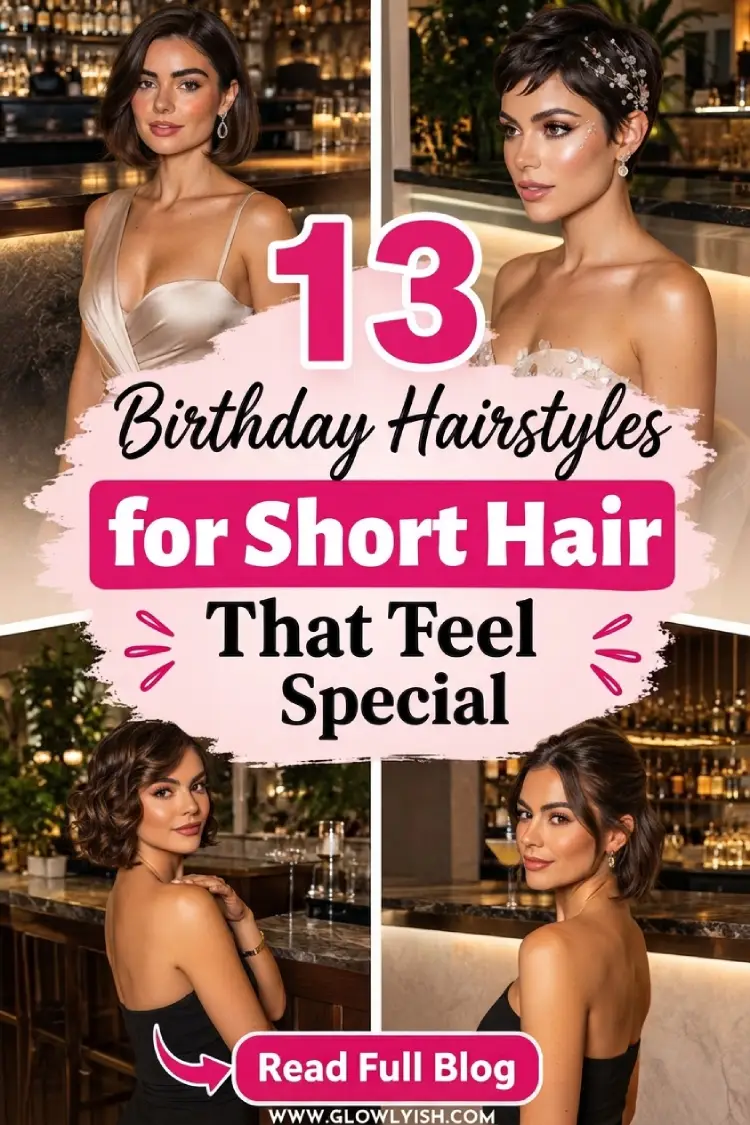
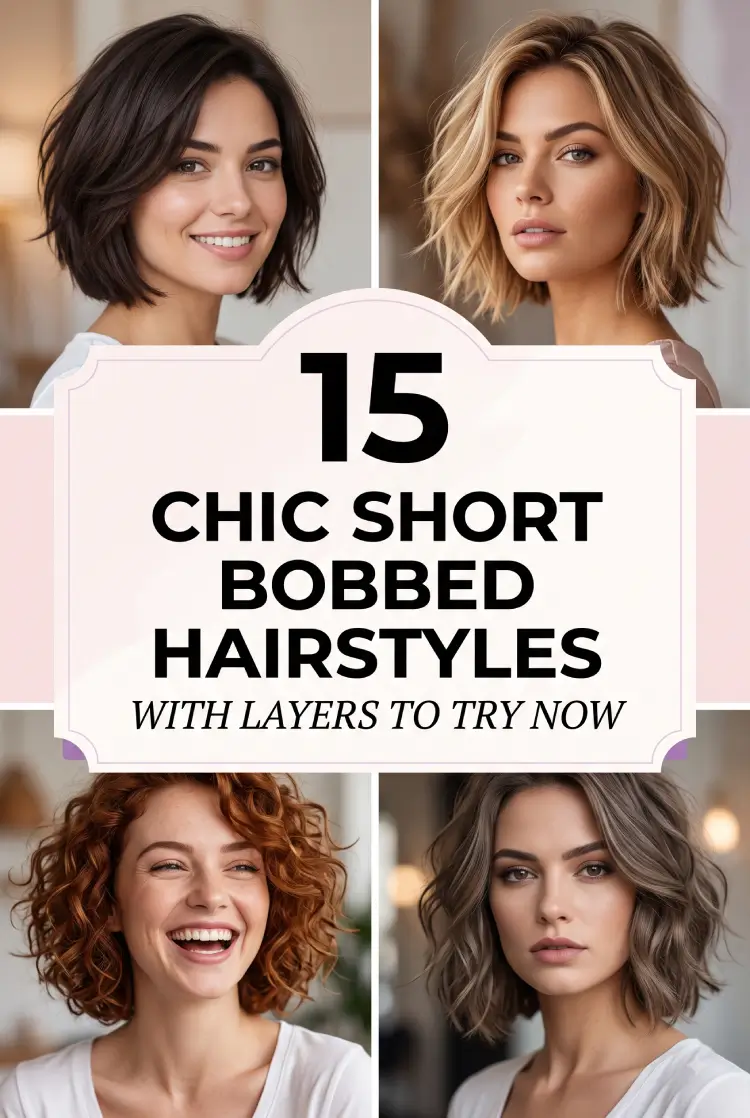
Short bobs have a way of looking polished without requiring an overly complicated haircut. Add thoughtful layers, soft texture, a fringe, or a carefully shaped perimeter, and the classic bob can take on an entirely different personality.
The best short bob is not simply the one that looks appealing in a photo. Hair texture, density, face shape, natural movement, styling habits, and even how often you want to visit the salon all affect whether a particular variation will work for you. For varied angles and perimeter shapes, take a look at our guide to bob layer cut hairstyles.
Below, you’ll find 15 chic short bobbed hairstyle ideas inspired by different shapes, textures, fringe styles, and finishes. Each one includes practical details to help you decide what could work for your hair and what to ask your stylist for.
1. Soft Side-Part Bob With Natural Volume
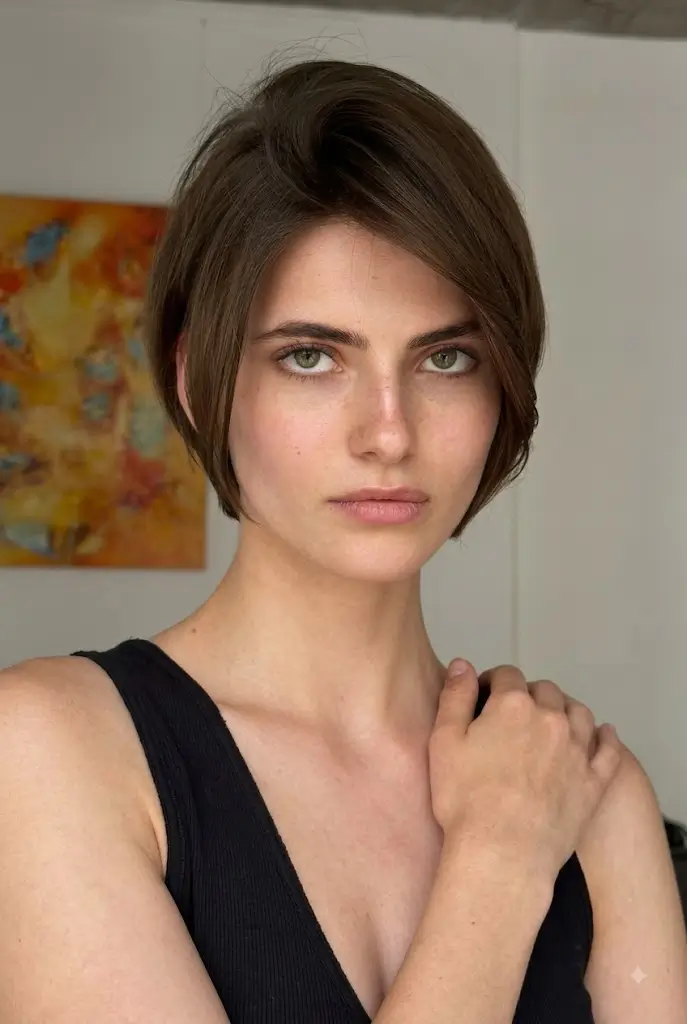
A softly side-parted bob is an excellent choice when you want a short haircut that feels polished but not overly structured. The defining feature is the parting: shifting the hair away from the center creates asymmetry at the roots and can naturally add lift through the crown. The ends can sit around the jawline or slightly below it, depending on your preference.
This version works especially well for straight to softly wavy hair because the shape remains visible without requiring extensive styling. Fine hair can benefit from keeping the perimeter relatively full rather than removing too much weight. Thicker hair may need subtle internal layering to prevent the shape from becoming bulky.
For styling, a volumizing mousse at the roots and a round brush can create a fuller finish, although this bob can also be worn with a more natural texture. A side part can be particularly flattering on oval, heart, and longer face shapes because the added volume breaks up vertical lines. Ask your stylist for a short bob with a clean perimeter, gentle internal movement, and enough weight to preserve fullness.
2.
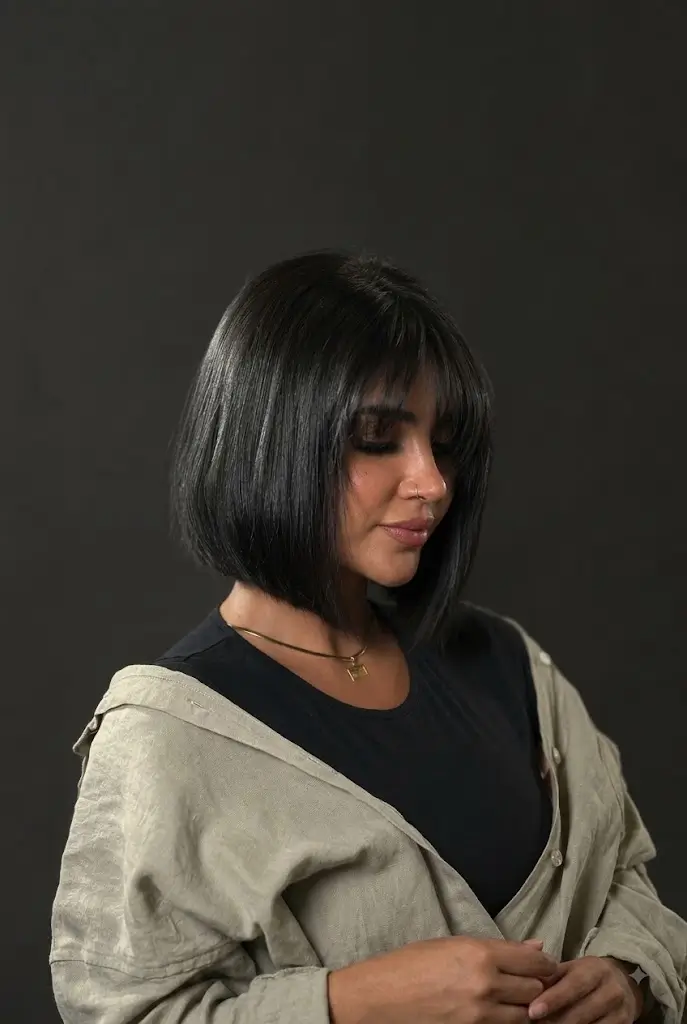
A precision bob with wispy bangs combines a clearly defined haircut shape with a much softer fringe. Unlike a heavily layered bob, the main body usually retains a strong, clean outline. The lightweight bangs prevent the overall look from feeling too severe and can introduce softness around the forehead and eyes.
This haircut is particularly attractive for fine or medium-density straight hair because a precise perimeter can make the ends appear visually thicker. Very thick hair may require debulking underneath to keep the bob from looking too dense. Naturally wavy hair can wear the cut successfully too, although the finished length may appear shorter once the waves spring up.
The fringe is an important consideration. Wispy bangs generally require more frequent small trims than the bob itself, and they can become awkward during grow-out if you prefer hair away from your face. Styling can be relatively simple: smooth the bob with a blow-dryer and shape the fringe with a small round brush. Tell your stylist whether you normally wear your hair parted in the center or to one side before the bangs are cut.
3.
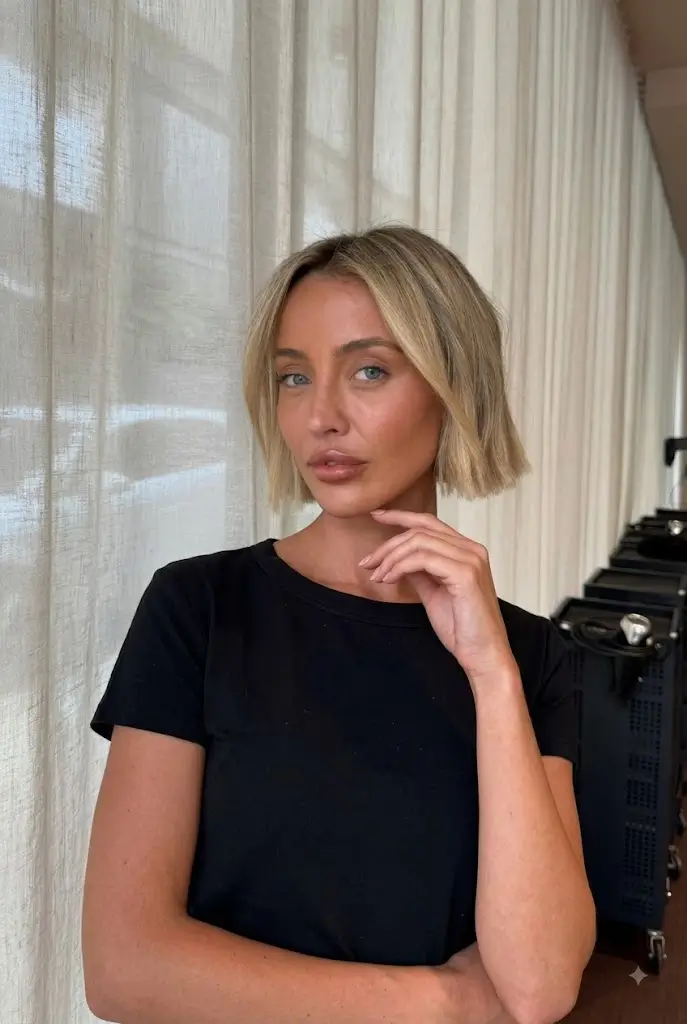
A French-inspired bob usually relies less on perfect smoothness and more on shape, movement, and an intentionally relaxed finish. It often falls around the jaw or cheekbone area and may incorporate a fringe or subtle face-framing pieces. The appeal comes from looking styled without appearing overly perfected.
Softly wavy or naturally textured hair is especially well suited to this approach. Straight hair can also achieve the look with a curling wand, flat iron, or texturizing product, while very fine hair may benefit from lightweight root-lifting products. Thick hair can work beautifully when the stylist uses carefully placed layers to prevent excessive heaviness.
This is a relatively versatile option for someone who dislikes spending a long time styling every morning. A small amount of texturizing spray or lightweight styling cream can enhance natural bends. However, a very short French bob is not the easiest cut to tie back, so consider that if you regularly need your hair secured during work or exercise. Ask for a jaw-skimming bob with soft texture and a relaxed finish rather than a heavily polished, geometric shape.
4.
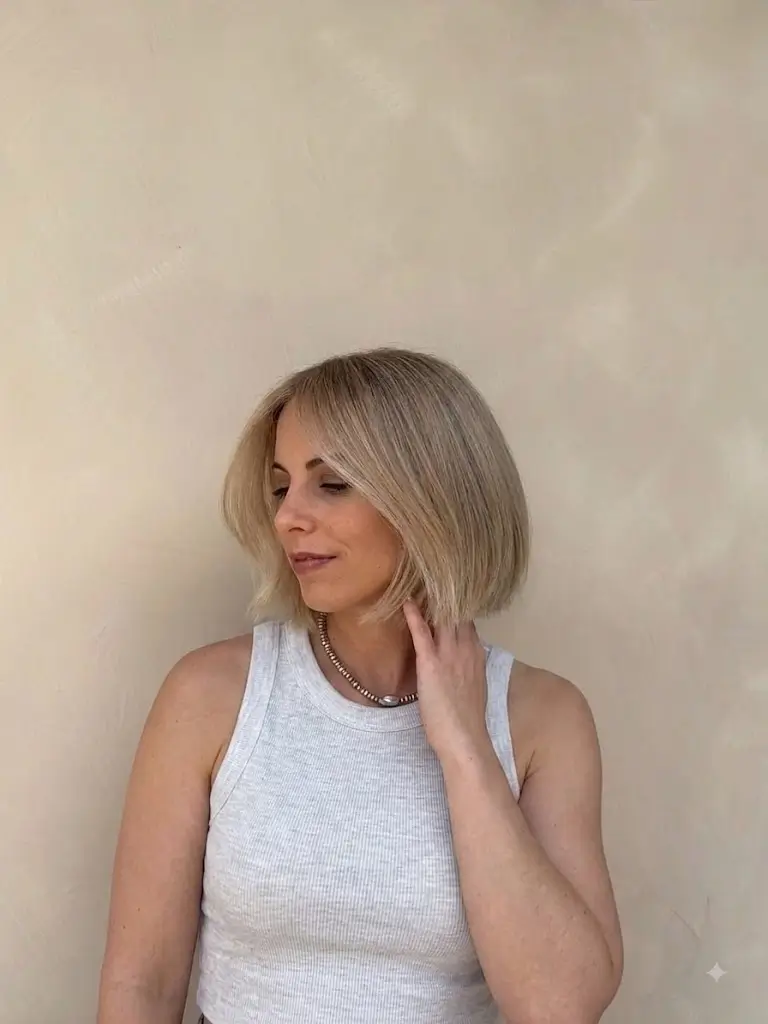
The rounded bob is built around fullness and curvature. Instead of a sharply angular outline, the hair creates a softly rounded silhouette, with the ends turning inward toward the face. This can give shorter hair a fuller, more substantial appearance while maintaining a refined finish.
Fine and medium-density hair can particularly benefit from this shape because the curved outline can make the haircut appear thicker. On dense hair, the stylist may need to remove weight internally so the rounded shape does not become too wide. Straight hair shows the silhouette most clearly, while slightly wavy hair can create a softer interpretation.
A smooth blow-dry with a round brush is usually the easiest way to emphasize the shape. Heat protection is important if you regularly use a dryer, brush, or flat iron. Because the haircut depends on its rounded outline, regular trims help maintain the intended proportions as the hair grows. This style can suit oval and longer face shapes particularly well, while someone with a very round face may prefer a slightly longer version. Ask for controlled volume rather than excessive layering if you want the rounded effect to remain sleek.
5.
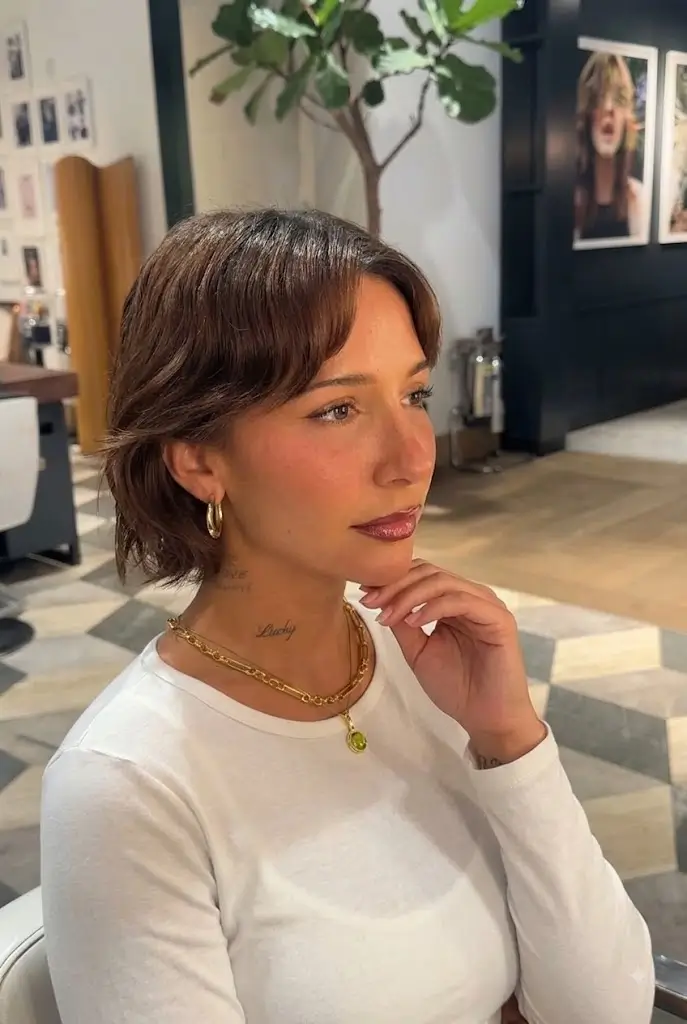
A layered bob with curtain bangs offers more movement than a traditional one-length bob. The layers can be concentrated around the crown and sides while the perimeter remains long enough to preserve the recognizable bob shape. Curtain bangs then create a gradual transition around the forehead and cheekbones.
This option is useful for people who want a bob that feels less rigid. Medium-density wavy hair can show off the layers naturally, while straight hair can be styled with a round brush for a soft, bouncy effect. Fine hair should be layered carefully because removing too much weight can make the ends look thin. Thick hair may benefit from strategic internal layers that reduce bulk without creating excessive choppiness.
Curtain bangs are generally easier to grow out than very short blunt bangs, but they still need occasional shaping. Styling usually involves directing the fringe away from the face while drying. A lightweight mousse can provide volume without making the layers stiff. Ask your stylist to connect the curtain bangs gradually into the side sections so they blend naturally rather than looking like a separate fringe.
6.
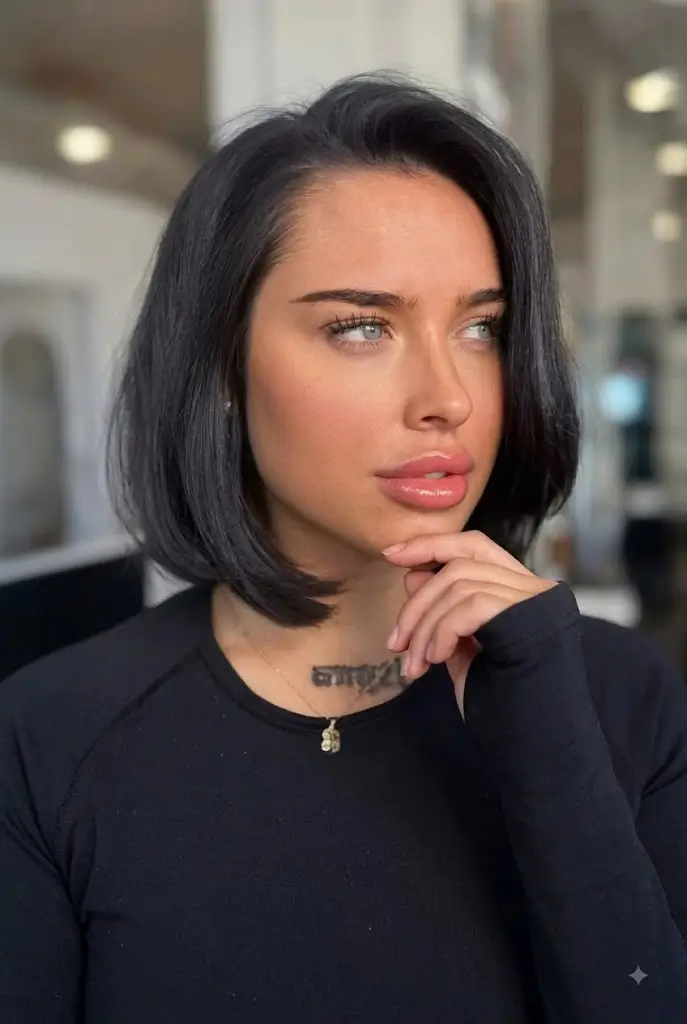
A dark, sleek bob can make the haircut itself the visual focus. The richness of a deep brunette or black shade emphasizes the perimeter, while softly curved ends prevent the style from appearing excessively rigid. The result is streamlined, glossy, and sophisticated without relying on complicated layers.
Straight hair is the easiest canvas for this version because it naturally reveals the clean shape. Wavy or curly hair can also wear it, but achieving the sleek finish may involve regular blow-drying or heat styling. Fine hair can look particularly polished when the ends remain dense, whereas thick hair may require internal weight removal.
Because shine is an important part of the look, a smoothing product or lightweight serum can help control flyaways. Avoid applying heavy oils near the roots if your hair becomes greasy quickly. Regular trims are useful because uneven ends are especially noticeable in a sleek bob. This style can work well for oval, heart, and longer face shapes, while a slightly longer length may be preferable if you want to visually elongate a rounder face. Ask for a clean bob with subtle curvature rather than dramatic layering.
7.
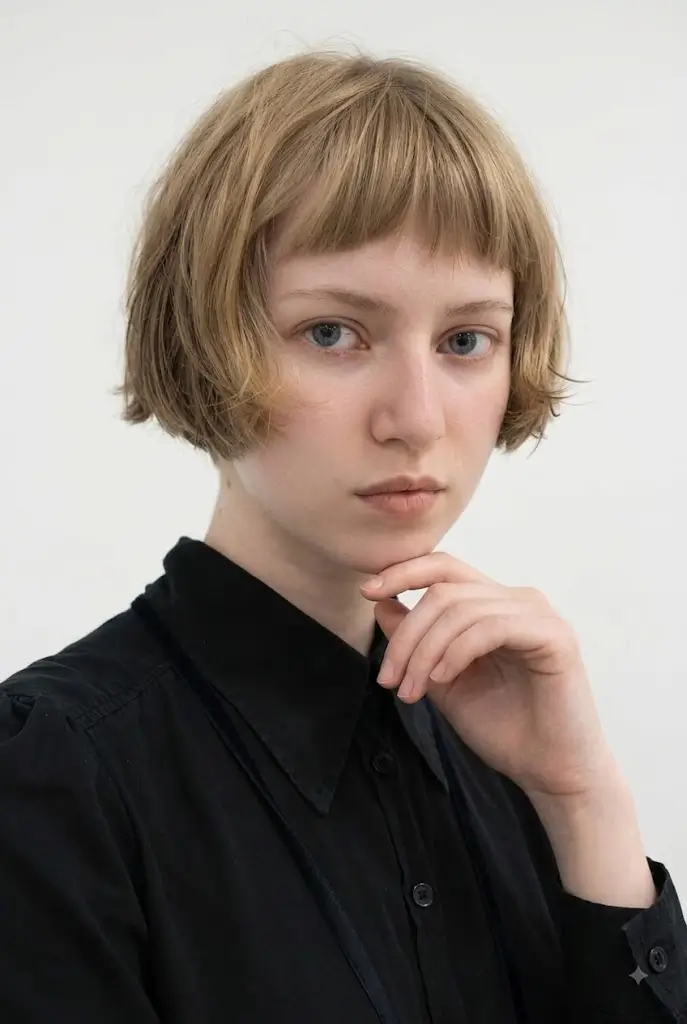
A French bob becomes considerably more distinctive when paired with baby bangs. The haircut is typically short, often around the jaw or above it, while the fringe sits noticeably higher on the forehead. The combination creates a playful, fashion-forward appearance that can feel both vintage-inspired and modern.
This style works particularly well with straight, slightly wavy, or fine-to-medium hair because the shorter length allows the haircut to retain its shape. Naturally curly hair can wear a modified version, but the fringe length needs to be planned around shrinkage. Baby bangs are a commitment: they require frequent trimming and can take a long time to return to a conventional fringe length.
Daily styling can be minimal when the hair already has natural movement. A small amount of texturizing cream can help define the ends without making them stiff. The short fringe can highlight the eyes and brows, so brow shape and personal styling preferences are worth considering. If you frequently need to tie your hair back, remember that a short French bob may not cooperate easily. Ask your stylist to account for your natural hairline and cowlicks before cutting the fringe.
8.
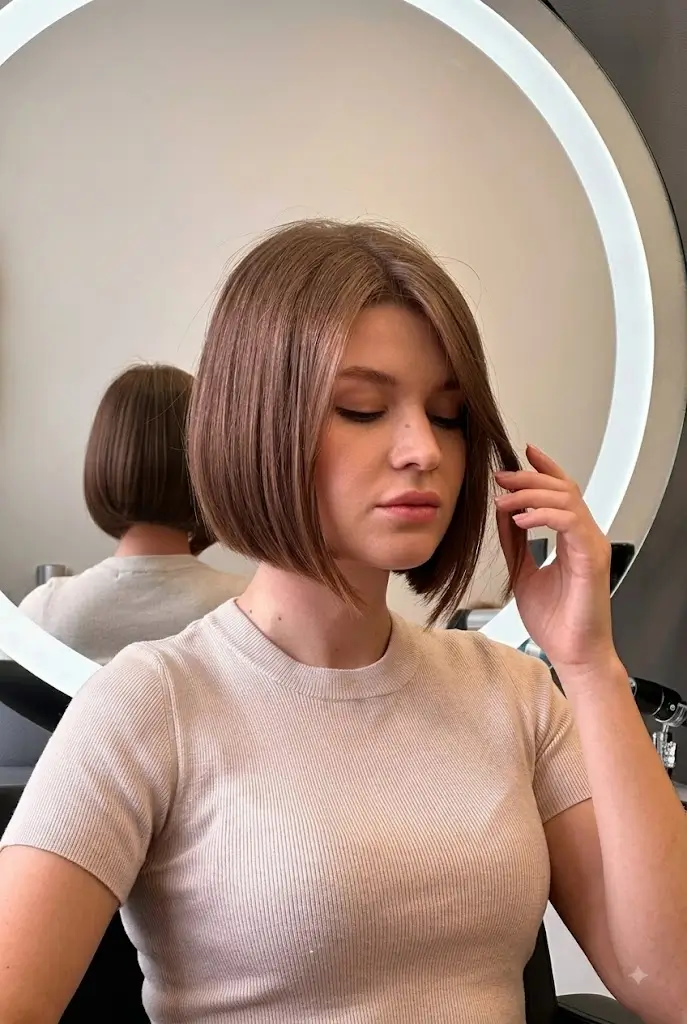
An angled bob creates a noticeable difference between the shorter back and longer front sections. The diagonal line can be subtle or dramatic, depending on how much length is retained around the face. A smooth finish emphasizes the geometry of the haircut and makes the angle easy to see.
This cut can be especially useful when you want the sophistication of a bob but still want some extra length around the face. Straight hair shows the angle most clearly, while wavy hair creates a softer interpretation. Thick hair may require graduated shaping or internal debulking, whereas fine hair often benefits from retaining enough weight to keep the perimeter strong.
Styling can involve blow-drying the hair downward and slightly inward, followed by a flat iron if an especially sleek finish is desired. Heat protection should be used whenever hot tools are involved. The shorter back also means the haircut can lose its intended shape as it grows, so regular salon appointments are helpful. Ask your stylist how steep the angle should be based on your face shape and whether you want the front long enough to tuck behind your ears.
9.
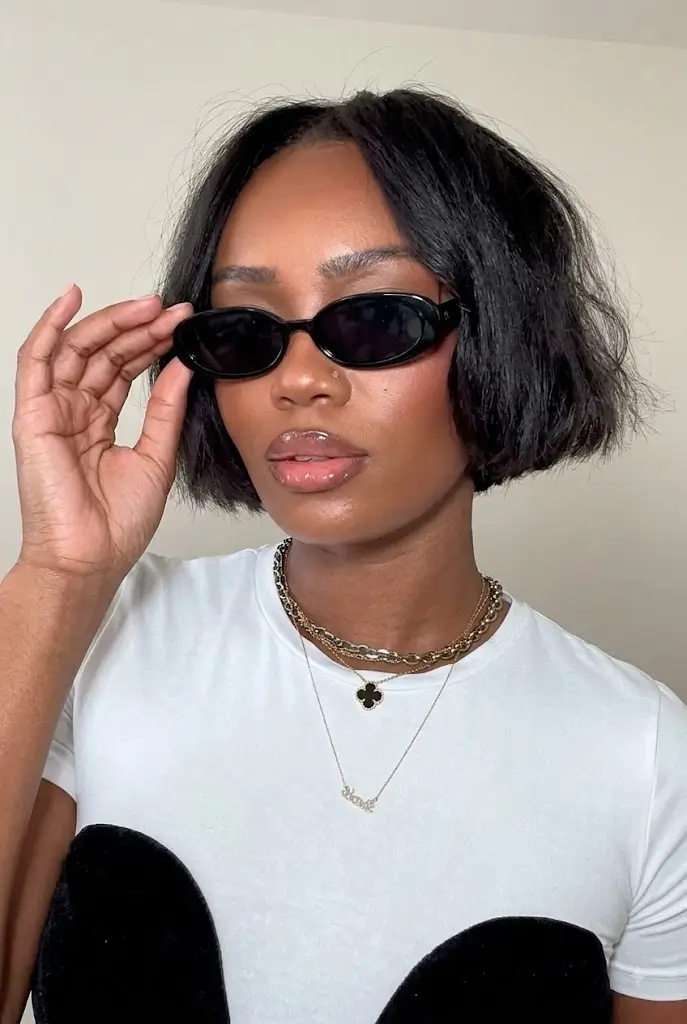
A textured bob is designed to move rather than sit in a perfectly uniform shape. Subtle layers, point-cut ends, or carefully distributed internal texture can create separation throughout the haircut. The goal is not necessarily a messy appearance; it is a bob that looks naturally dynamic.
This variation is particularly useful for wavy hair because natural bends can do much of the styling work. Straight hair can also achieve the texture with a lightweight styling spray and a few bends from a curling iron or flat iron. Fine hair should be textured conservatively so the ends do not become sparse, while thick hair can usually tolerate more internal removal.
A major advantage is flexibility. The haircut can be air-dried when your natural texture cooperates or quickly enhanced with a few styling products when you want more definition. A texturizing spray, lightweight mousse, or styling cream may be enough. Because excessive product can weigh down shorter hair, start with a small amount. Tell your stylist whether you want visible layers or simply movement through the ends, because those approaches produce very different results.
10.
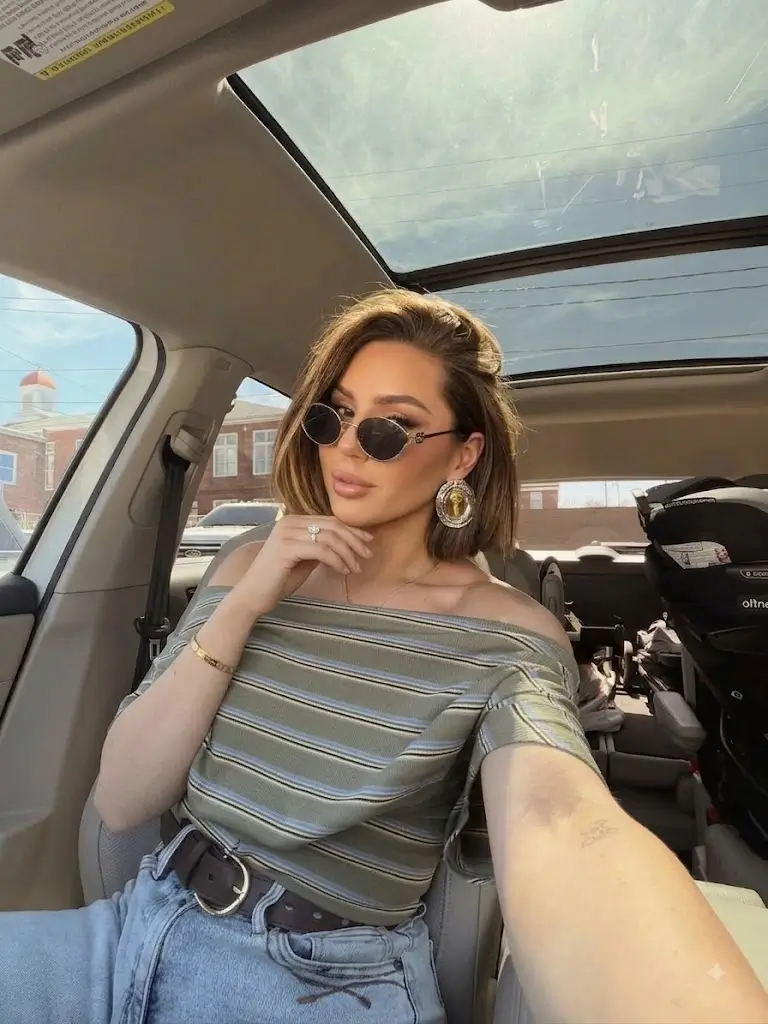
A side-swept bob uses directional styling to create lift and movement across the crown. Rather than allowing the hair to fall evenly on both sides, the deeper part creates a fuller section that sweeps across the forehead and blends into the rest of the haircut. Crown layers add instant lift—see how it works with this chic short haircut with feathered crown.
This can be particularly effective for fine hair because changing the part can immediately create the appearance of greater volume. Medium-density hair can produce an even fuller result, while very thick hair may need internal shaping to keep the side sweep from becoming heavy. Straight and wavy textures can both work well.
For the best volume, apply a lightweight mousse near the roots before blow-drying. A round brush can lift the crown, while a large barrel can add a soft bend through the ends. The style does require some daily manipulation if you want a dramatic swept effect, although a natural side part can make it considerably easier. It can flatter oval, heart, and longer faces particularly well. Ask your stylist to preserve enough length and weight around the top so the side sweep does not collapse.
11.
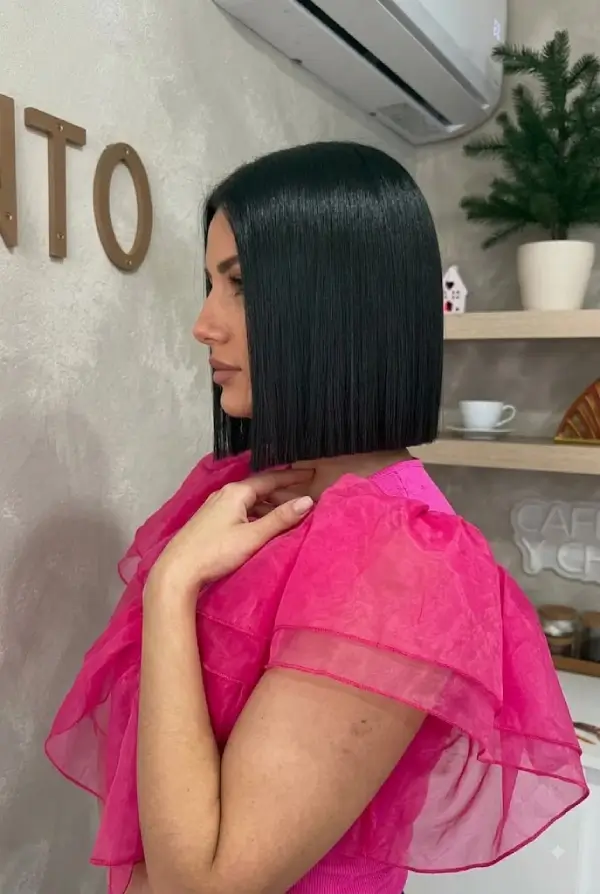
The glass-finish bob is all about precision and surface smoothness. Its clean perimeter, controlled shape, and reflective finish make even a relatively simple bob appear highly intentional. The haircut typically works best when the ends form a crisp, uninterrupted line.
Fine or medium-density straight hair is especially compatible because the smooth surface makes the perimeter look dense and refined. Thick hair can achieve the look too, but internal weight removal may be necessary. Wavy or curly hair can wear the cut naturally, although maintaining a glass-like finish would require more heat styling.
This is one of the higher-maintenance variations from a daily styling perspective. A smoothing shampoo and conditioner, heat protectant, blow-dryer, and flat iron may all become part of the routine if your natural texture is not straight. Shine serum can enhance the polished appearance, but too much can make short hair look greasy. Regular trims are also important because uneven ends undermine the precision of the style. Ask for a strong, clean baseline and discuss how much natural texture you want to retain before committing to an ultra-sleek finish.
12.
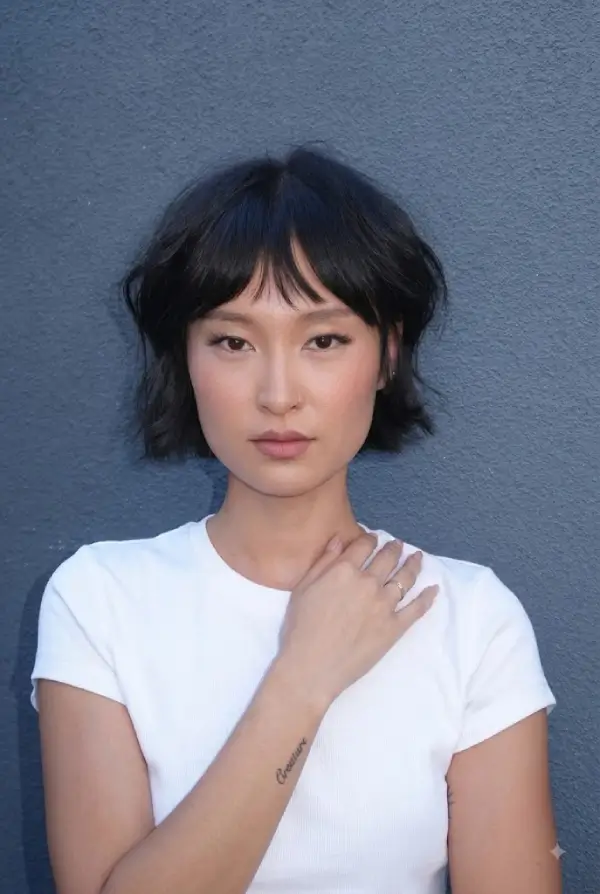
This variation combines the relaxed character of a French-inspired bob with a soft, adaptable fringe. Instead of creating a perfectly controlled silhouette, the haircut allows individual pieces to bend, separate, and move. The fringe can be airy enough to open slightly at the center or shift naturally during the day.
Wavy hair is an obvious match, but straight hair can be transformed with minimal texture styling. Fine hair can benefit from keeping the layers light and avoiding excessive thinning. Thick hair may need selective internal shaping to keep the shorter perimeter comfortable and balanced.
The style generally falls into the moderate-to-low styling category because perfection is not the objective. A texturizing cream or light spray can be scrunched into damp hair, followed by air-drying or diffusing. The fringe may require a quick blow-dry in the morning, particularly if you have a strong cowlick. Ask your stylist for a soft fringe that blends into the sides rather than a heavy, sharply defined bang.
13.
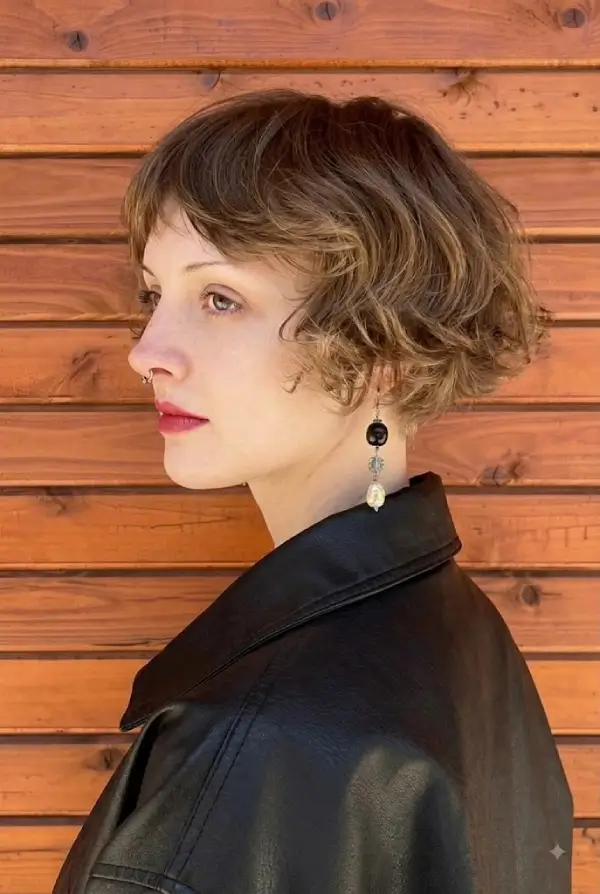
A softly layered bob can create movement and volume without sacrificing the recognizable structure of a short bob. The layers are usually blended rather than sharply disconnected, allowing the haircut to feel light around the crown and sides while retaining enough density through the ends.
This is one of the more adaptable options for different hair densities. Fine hair can benefit from carefully positioned layers that encourage lift, while thick hair can use internal layering to remove excess weight. Wavy hair naturally emphasizes the movement, whereas straight hair can be given more body through blow-drying or lightweight styling products.
The amount of styling depends heavily on your natural texture. Someone with naturally full, slightly wavy hair may only need a leave-in product and air-drying, while very straight fine hair may need root-lifting mousse and a round brush. Grow-out is generally easier than with a sharply graduated bob because the layers can blend as they become longer. Tell your stylist whether volume or smoothness is your priority, since the placement of layers should change accordingly.
14.
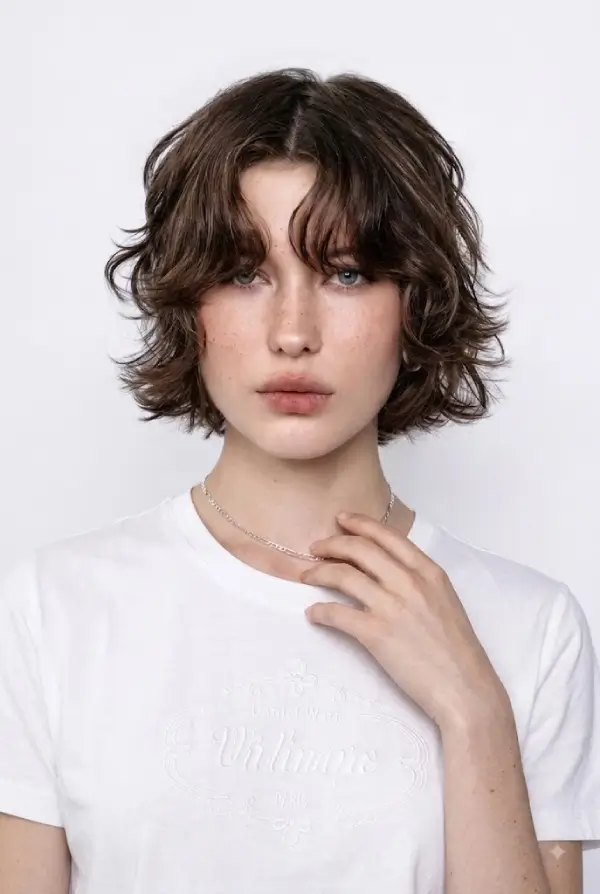
The shaggy bob brings a deliberately undone quality to the traditional short haircut. Instead of relying on one strong perimeter, it uses layers, feathered ends, and airy fringe to create separation and movement. The result sits somewhere between a classic bob and a shorter shag.
Naturally wavy and textured hair can make this haircut especially easy to maintain because the natural bends highlight the layers. Straight hair can still work, but you may need a texturizing spray or a few loose bends to bring out the shape. Thick hair often benefits from this style because strategic layers can remove weight, while very fine hair needs a more restrained approach to avoid overly thin ends.
Daily styling can be relatively quick. Apply a lightweight mousse or texture cream to damp hair, scrunch the ends, and air-dry or diffuse. A small amount of dry texture spray can refresh the style later. The trade-off is that the haircut may require more frequent shaping if you want the layers and fringe to remain clearly defined. Ask for soft, blended shag layers rather than aggressive thinning if you want a fuller result.
15.
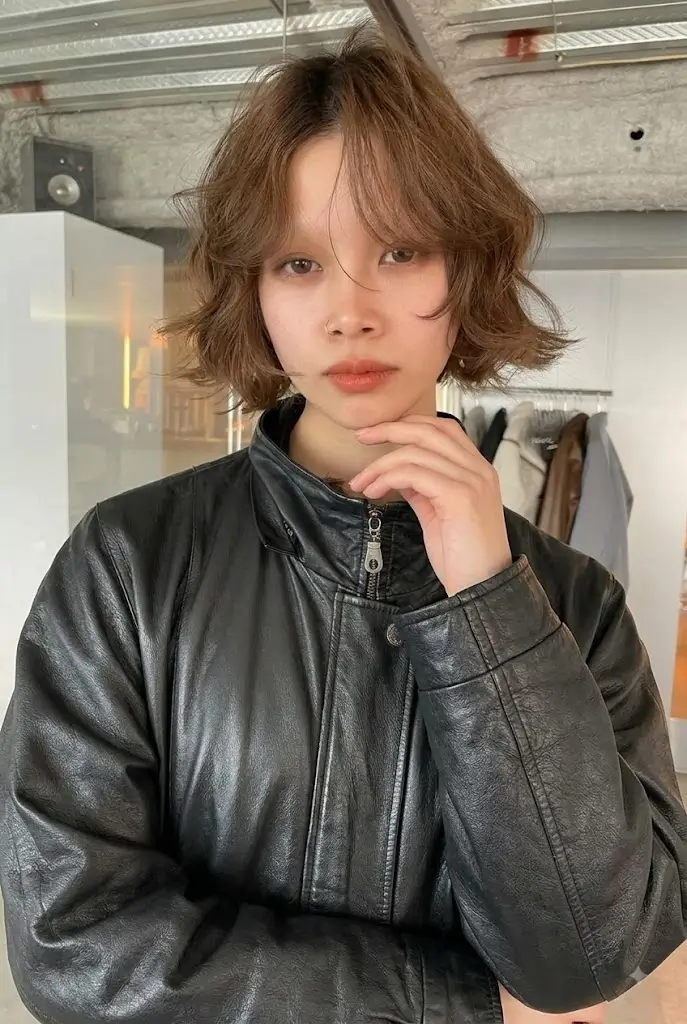
A tousled bob is designed for people who want their haircut to look good without demanding perfect styling every morning. Its shape can remain relatively simple, while subtle layers and texture give the ends enough movement to prevent the hair from appearing flat or overly formal.
This is an especially practical choice for naturally wavy hair, although straight hair can achieve the effect with a few loose bends. Fine hair can benefit from lightweight volumizing products, while thick hair may need selective internal layering to prevent the style from becoming too heavy. Because the finish is intentionally relaxed, minor imperfections are part of the look rather than something that needs to be corrected.
For everyday styling, apply a small amount of texture cream or mousse to damp hair and let it air-dry when possible. If your hair is straight, loosely curl a few sections rather than styling every strand. This bob is also relatively forgiving during grow-out compared with a highly precise haircut. However, shorter versions may still be difficult to tie back completely. Ask your stylist for a softly textured bob that works with your natural movement instead of requiring you to fight it every morning.
How to Choose the Right Short Bob
The best bob is the one that works with your hair rather than against it. Before choosing a reference photo, consider your natural texture, density, current length, and how much time you realistically want to spend styling.
For fine hair: Look for strong perimeters, restrained layering, and styles that create the appearance of density. Precision bobs and softly rounded shapes can work particularly well.
For thick hair: Internal layering or controlled debulking can prevent the haircut from becoming too wide. Textured and shaggy variations can also distribute weight effectively.
For straight hair: Almost every variation can work, but sleek, precision, angled, and glass-finish bobs will show their shapes especially clearly.
For wavy hair: Textured, French-inspired, layered, shaggy, and tousled bobs can allow your natural movement to become part of the haircut.
For round faces: Consider slightly longer versions, angled lines, or volume concentrated toward the top rather than excessive width at the cheeks.
For oval faces: Most bob shapes can work, making texture, fringe, and maintenance preferences more important than strict face-shape rules.
For heart-shaped faces: Side parts, curtain bangs, and softer movement around the jaw can create balanced proportions.
For longer faces: Rounded volume, fuller sides, and shorter bob lengths can help visually reduce excessive vertical emphasis. Finding the right proportion for softer jawlines? Explore our top short haircuts for round faces.
Which Bob Is Easiest to Maintain?
If your priority is minimal daily effort, the textured, tousled, soft French, and naturally layered options are generally more forgiving. They do not require every strand to sit perfectly, so air-drying and lightweight styling products can often be enough.
Precision, glass-finish, sleek, and strongly angled bobs usually demand more attention because their clean geometry becomes more noticeable when the hair is uneven or frizzy.
Remember that daily styling and salon maintenance are different things. A textured bob might take only five minutes to style but still need regular shaping to preserve its layers. A longer, smoother bob might take more time each morning but have a relatively straightforward trim schedule.
Can a Short Bob Be Tied Back?
Some short bobs can be gathered into a small ponytail or low bun, but the answer depends heavily on the length around the nape and face. Very short French bobs, baby-bang variations, and heavily layered styles are less likely to secure completely.
If tying your hair back is important, tell your stylist before the haircut. Keeping the front and nape slightly longer may give you considerably more flexibility. You can also ask whether the shortest sections will be long enough to tuck behind your ears.
What Should You Ask Your Stylist?
Bring a reference photo, but don’t stop at showing the picture. Explain how your hair behaves naturally and how much styling you are willing to do.
Useful questions include:
- Where should the shortest point of the bob sit?
- How much weight should be removed?
- Will the cut work with my natural texture?
- How will it look when it grows out?
- Can I tuck it behind my ears?
- Can I tie it back?
- How often will I need trims?
- Do I need layers, or would a stronger perimeter suit my hair better?
- What styling products would be appropriate for my hair density?
- How should I style it without excessive heat?
A good haircut should account for your everyday routine, not just how the hair looks immediately after a salon blowout.
Final Thoughts
Short bobbed hairstyles can be remarkably versatile. A precise perimeter creates a completely different effect from airy layers, while a side part, French-inspired texture, fringe, or shaggy finish can transform the same basic length into something much more individual.
Before committing to a particular variation, think beyond the photograph. Consider your natural texture, hair density, face shape, styling routine, maintenance tolerance, and whether you need to tie your hair back regularly. The right short bob should not only look beautiful when professionally styled—it should also make sense for the way you actually live.